
China Medical Updates
Frontier medical advances in China and cross-border healthcare insights — curated, authoritative and traceable.
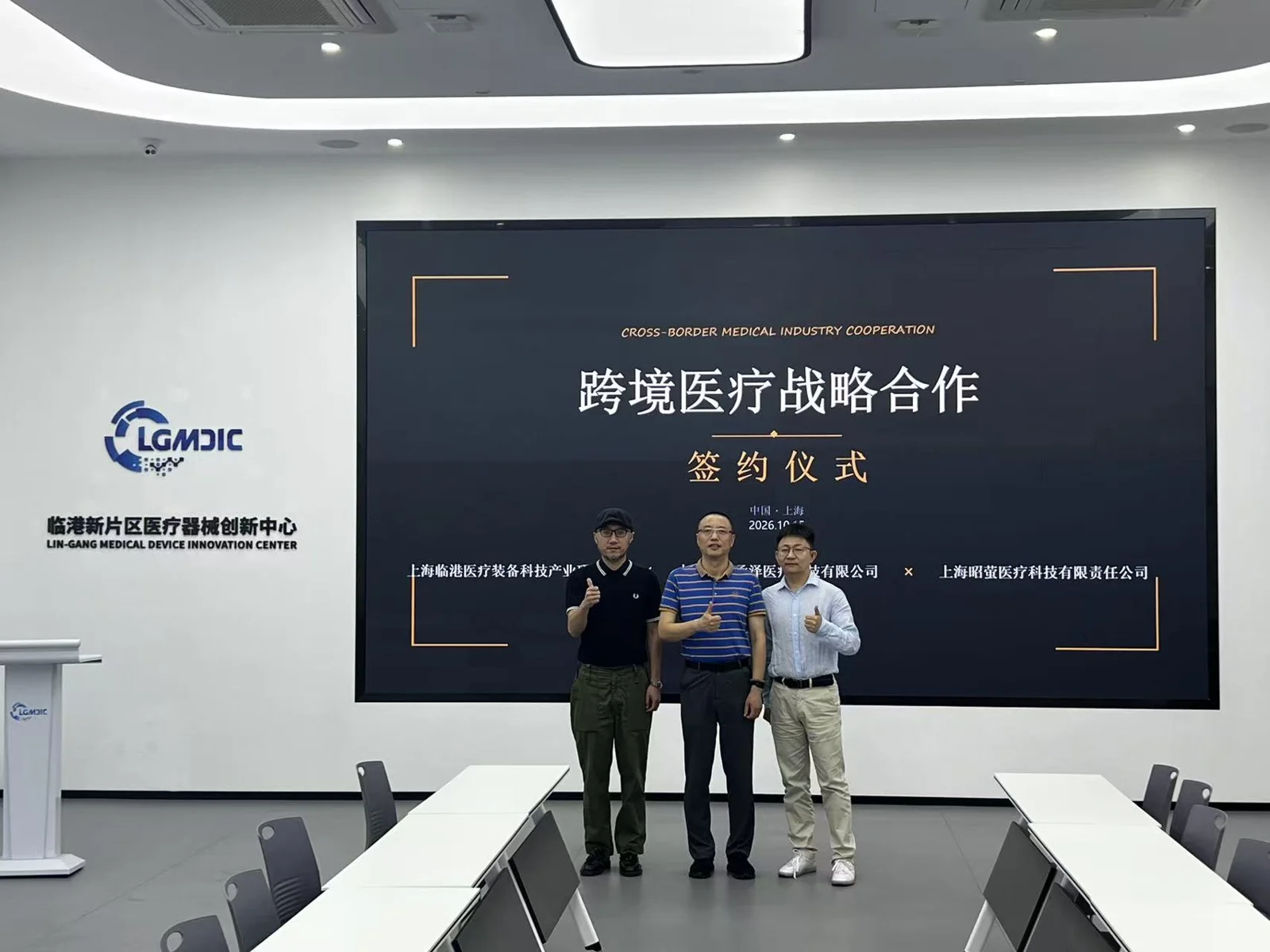
Zoying’s Lin-gang Partnership: Medical Care in Shanghai for International Patients
Zoying signed a cross-border healthcare agreement on October 15, 2026. Learn how its Lin-gang partnership supports hospital enquiries, second opinions, records and appointments in Shanghai.
A Letter to Anyone Considering Medical Care in China
Before you travel for medical care in China, understand what is confirmed, what may involve a wait, and what your full budget needs to cover. A personal letter from Zoying founder Du Yang.

After Care in China: A Handover Pack for Your Home Doctor
Build a handover pack after care in China with relevant records, pending results, provider contacts and clinician-led follow-up arrangements.
How to Confirm English Support at a Hospital in China
Confirm consultation language, interpreting and report translation separately before a hospital visit in China, including follow-up arrangements.
In vivo vs. conventional CAR-T: CARsgen reports early results in six lymphoma patients
Three of six evaluable patients had a complete response and two had a partial response in CARsgen’s early CT1182 study. How does the approach work, and how far have international programs progressed?
Dental Implants in China: How to Choose a Clinic
Compare dental implant prices in Shanghai and Xi’an, explore hospitals and clinics, and see how to budget in yuan and plan your visits for a permanent crown.
China Starts Phase 3 Trial of HMPL‑306 for IDH-Mutant Grade 2 Glioma
China’s RANOVA trial will study oral ranosidenib in about 210 patients with IDH-mutant grade 2 glioma that remains or returns after surgery. Learn who the study is for and what international patients can ask before trave

Documents to Ask About Before Claiming China Hospital Expenses
Prepare for a China hospital expense claim by obtaining your insurer’s checklist and organising medical records, bills and payment evidence.
Why an In-Network Hospital in China May Still Ask for a Deposit
Understand questions to ask when a China hospital requests a deposit despite a network listing, including approval status and final settlement.

An Email Checklist for Asking Your Insurer About Care in China
Use a focused email checklist to ask your insurer about care in China, including the named hospital, benefits, approval, costs and next steps.
Direct Billing vs Reimbursement in China: Two Payment Routes
Separate insurance coverage from payment: compare direct billing and reimbursement for care in China, including personal costs and document checks.
From Leg Paralysis to Taking Steps With a Walker: A Russian Girl’s Spinal Cord Injury Rehabilitation in Hangzhou
After a closed-loop spinal cord implant and months of rehabilitation in Hangzhou, a Russian girl regained the ability to stand with support and take voluntary steps with a walker.
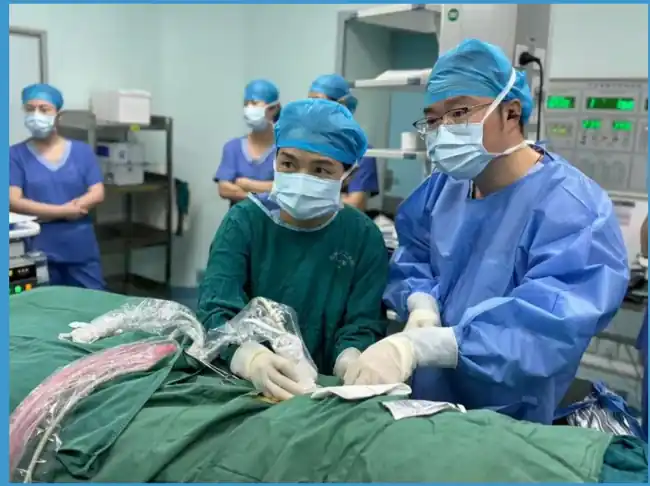
Radiofrequency Ablation for Uterine Fibroids: What Xi’an Offers and How It Compares With Care Abroad
How a Xi’an hospital assesses uterine fibroids for ultrasound-guided ablation, how the approach compares with practice in the US, UK and Spain, and what to ask before travelling.
CAR-T therapy in China and the US: costs, approved treatments and who may qualify
What the RMB 288,600 Carteyva price covers from January 1, 2027, how US and Chinese CAR-T prices compare, and which indications and coverage rules affect a referral.
Proton Therapy Cost in Shanghai: A Self-Pay Quote Checklist
A published Shanghai reference lists RMB 278,000 for one course of particle radiotherapy. Ask the hospital what your self-pay quote includes.
China Medical Travel: How to Budget for the Visa and the Whole Trip
Plan for the hospital bill, visa fees, travel and coordination. Confirm who gets paid and when before booking.
How to Verify a Hospital, Doctor and Quote Before Treatment in China
Check the hospital's licence, clinician and campus, then confirm the treatment estimate and payment recipient directly.
Shanghai Public Hospital International Department or Private Hospital?
Compare Shanghai hospital routes by specialist, campus, fees, language support and insurance before you book.
What Should a Self-Pay CAR-T Hospital Quote in China Include?
Request an itemised estimate for the CAR-T product, workup, admission, monitoring and potential complications.
Can a doctor in China review my medical records before I travel?
Yes. If you have already seen a clinician locally and want another specialist's opinion, you can ask a hospital in China whether it offers a remote records review or video consultation for your case. Zoying can contact t
What medical records do I need for a second opinion in China?
Start with a one-page timeline and the original reports that bear on the question. A pathology review starts with the pathology report. For a problem after surgery, the operative report and relevant images may be more us
Can I get a second opinion with an MRI report and no original images?
An MRI report is enough to start an enquiry. Whether a specialist can answer your question from it depends on the review. A second reading, comparison over time or surgical assessment may require the complete original st
Do hospitals in China accept medical records in English?
Ask the department that will review your case. The international office may handle the initial conversation in English, while the clinician, radiology team or pathology team may have different requirements. Ask which Eng
Written second opinion or video consultation: which should I request?
Choose based on what you need afterwards. A written review can give you a document to discuss with your local doctor. A video consultation lets you describe symptoms in your own words, clarify details and ask follow-up q
Who do I pay for a remote second opinion from a doctor in China?
Zoying's first enquiry is free. If you use Zoying to coordinate a remote second-opinion application, the coordination fee is USD 300. The hospital bills you directly for the doctor's assessment. Records translation is qu
How do I share a second opinion from China with my local doctor?
Send the original opinion, a translation if needed, and the key records the specialist used. Tell the clinic when you book that you want to review the outside opinion alongside your current care plan. Ask whether it can
A hospital in China says I can come for a consultation. Can I book my flights?
Before buying a non-refundable ticket, get written confirmation of the actual appointment. A message saying the department can see you may be an invitation to book. Ask for five details.
How to Book a Shanghai Hospital Appointment from Overseas
Compare Shanghai hospital booking routes, learn what counts as a confirmed appointment, and use a checklist before you travel or attend your first visit.
Shanghai Hospital International Departments: How to Verify Contacts and English Support
Use Shanghai’s public directory and hospital contacts to verify the campus, international department, English support and specialty appointment route.
Sending Medical Records to a Hospital in China: Translation and DICOM Checklist
Prepare medical records in stages, confirm translation requirements, and use a simple handoff checklist for reports and original MRI or CT DICOM files.
Requesting a Written Hospital Estimate in Shanghai: A Patient Checklist
Ask for an itemized hospital estimate, separate consultation and treatment charges from coordination fees, and verify any insurer payment in writing.
Can You Request a Second Opinion from a Chinese Hospital Before Travelling?
Find out what to ask a hospital before booking a remote second opinion, including records, format, fees and what the hospital will deliver.
Before Planned Hospital Care in China: Appointment Letters, Interpreters and Travel Checks
Confirm a planned visit in writing, check what a hospital can issue for travel, and arrange interpretation and practical support before departure.
How to Request English Hospital Reports After Care in China
Ask about English reports before discharge, keep the original Chinese records, and check what your doctor or insurer needs for follow-up.
How to Arrange a Xi’an Hospital Specialist Appointment from Overseas
Identify the correct Xi’an hospital campus and specialist department, contact the receiving office and get appointment details before travelling.
How International Patients Can Request a CAR-T Hospital Assessment in China
Ask a receiving hospital how to request an initial CAR-T assessment, what records it needs, and what its written response confirms before travel.
Carteyva CAR-T in China: RMB 288,600 drug price from January 1, 2027
JW Therapeutics confirmed a listed drug price of RMB 288,600 from January 1, 2027. How the change applies to international patients, and which costs the hospital quotes separately.
GLP-1 Vision Risk Warning: Can I Keep Taking Semaglutide and Seek a Medical Review in China?
Understand the FDA warning about GLP-1 medicines and NAION, urgent eye symptoms, and how overseas patients can request a medical-record review in China.
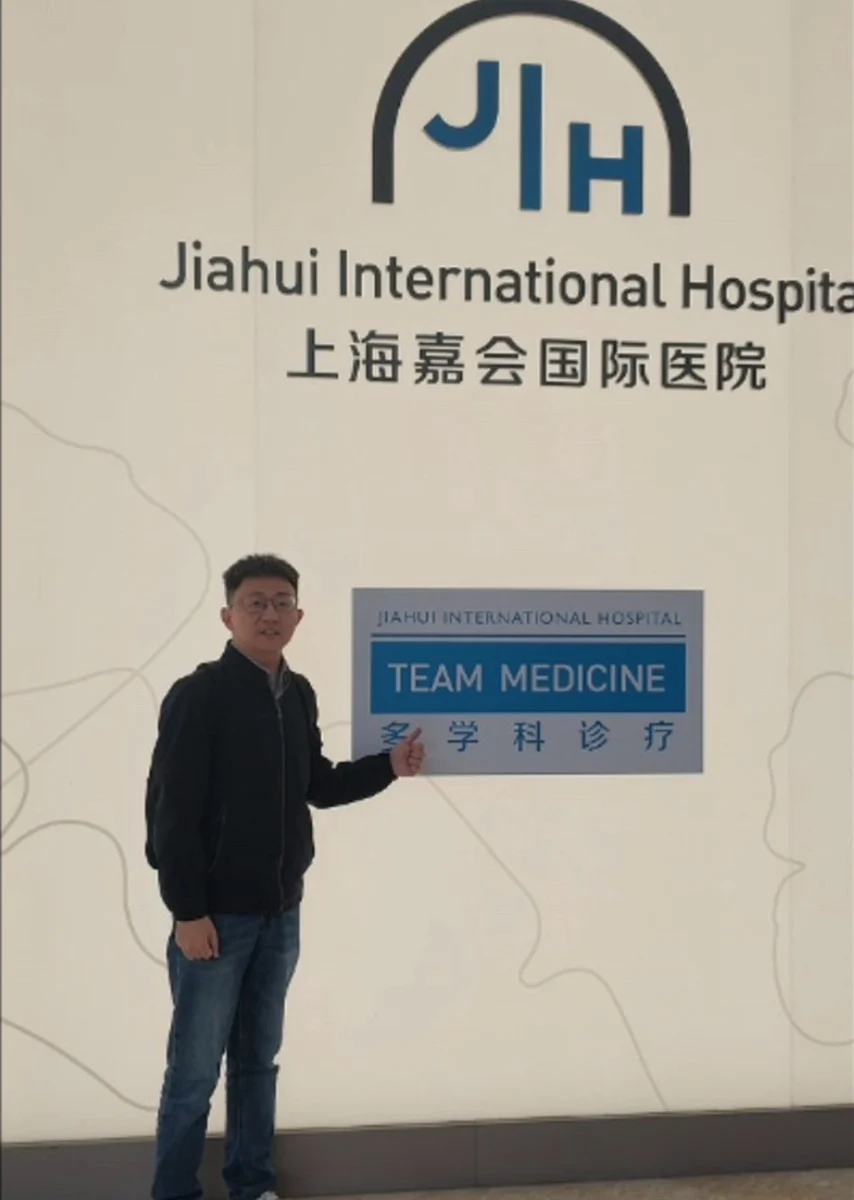
Hospitals Zoying Can Contact in Shanghai and Xi’an: A Jiahui Visit and Patient Guide
Our Jiahui visit, access to hospitals in our directory, recommended hospitals for CAR-T enquiries, and practical assessment and booking steps.
Public Clinic, International Department or Private Hospital in China?
Compare public clinics, international departments and private hospitals in China by the actual service, language support, booking and payment route.
How to Read a Medical Travel Quote for China
Read a China medical travel quote by separating providers, included services, exclusions, assumptions and cancellation terms before payment.

Remote Review, Video Consultation or an In-Person Visit in China?
Compare document review, video consultation and an in-person visit in China by deliverables, limitations, records and practical arrangements.
DICOM Images or a Radiology Report? What to Send for a China Review
Understand the difference between DICOM images and written reports, and confirm how a China specialist can receive and open your examination files.
Medical Records for a Second Opinion in China: A Preparation Checklist
Prepare records for a second opinion in China with a dated index, a clear clinical question and confirmation of the receiving team’s requirements.
Insurance for Treatment in China: Preauthorisation, Direct Billing and Claim Documents
Check insurance for care in China: confirm benefits, preauthorisation, direct billing, personal costs and claims documents with your insurer and hospital.
Mazdutide and Prusogliptin in China: How Do They Compare with Established US Treatments?
Explore mazdutide’s distinct GLP-1/glucagon mechanism and weight-and-glucose results, alongside prusogliptin’s oral role. Compare evidence, side effects, real-world price references and long-term use.
Medical Treatment Costs in China: Hospital Bills, International Care and Coordination Fees
Build an itemised budget for care in China by separating hospital charges, coordination, translation and travel, with exclusions and change conditions.
NL003 (Huasuoling) in China: A New Option for Severe Ischemic Leg Ulcers
Understand who may benefit from NL003, what the ulcer-healing trial found, and how to prepare for a vascular assessment in China.
Batoclimab in China: A Patient Guide to Generalized Myasthenia Gravis Treatment
Who may benefit from batoclimab, what daily-function improvement means, and how to plan assessment and ongoing monitoring.
Asundexian in China: Understanding a New Option After Ischemic Stroke
Asundexian in China: Understanding a New Option After Ischemic Stroke

Telitacicept for Sjögren Disease in China: Who May Benefit?
Telitacicept for Sjögren Disease in China: Who May Benefit?
Telitacicept for IgA Nephropathy in China: Evidence and Assessment Planning
Telitacicept for IgA Nephropathy in China: Evidence and Assessment Planning
Second Opinion Before Treatment in China: Records, Deliverables and Confirmation
Plan a second opinion before travel to China: check the reviewing clinician, required records, written deliverables, fees and follow-up.
CAR-T in China at Around RMB 300,000? Zoying’s Carteyva Pricing Outlook — November 3, 2026
This November 3, 2026 article preserves Zoying’s original outlook. JW Therapeutics subsequently confirmed a listed drug price of RMB 288,600 effective January 1, 2027.
Zoying Focus | Rehabilitation at Xi'an Daxing Hospital: Planning the Next Stage After Stroke
Explore rehabilitation assessment and care planning after stroke in Xi an.
Zoying Focus | Biliary Atresia Care at Children's Hospital of Fudan University: Early Diagnosis and Long-Term Follow-Up
Explore biliary atresia assessment and follow-up at Fudan pediatric hospital.
Zoying Focus | Pediatric Heart Care at Shanghai Children's Medical Center: Preparing for a Second Opinion
Explore pediatric heart assessment and family care planning in Shanghai.
Zoying Focus | Rheumatology at Renji Hospital: Finding a Clearer Plan When Lupus Keeps Flaring
Explore lupus assessment and continuing care at Renji Hospital rheumatology.
Zoying Focus | Retina Care at Shanghai General Hospital: Finding a Clearer Treatment Plan
Explore retinal disease assessment and care at Shanghai General Hospital.
Zoying Focus | Gastroenterology at Xijing Hospital: What Comes After an Endoscopy Finds a Lesion?
Explore digestive disease and endoscopy assessment at Xijing Hospital in Xi an.
Zoying Focus | Proton Therapy at Xi'an International Medical Center Hospital: Who Should Consider an Assessment?
Explore proton therapy assessment, planning and costs in Xi an.
Zoying Focus | Pancreatic Surgery at Fudan University Shanghai Cancer Center: Getting a Clearer Treatment Opinion
Explore pancreatic cancer assessment and surgery at Fudan University Shanghai Cancer Center.
Zoying Focus | Ruijin Hospital Hematology and Acute Promyelocytic Leukemia: From the Shanghai Approach to Your Next Steps
Explore Ruijin Hospital hematology, the Shanghai approach to APL and second-opinion planning.
Zoying Focus | Lung Cancer Surgery at Shanghai Chest Hospital: Comparing Your Options
Explore lung cancer surgery options and assessment at Shanghai Chest Hospital.
Zoying Focus | Head and Neck Cancer at Shanghai Ninth People's Hospital: Planning for Life After Surgery
Explore head and neck cancer surgery and reconstruction at Shanghai Ninth Hospital.
Zoying Focus | Heart Valve Care at Zhongshan Hospital, Shanghai: Exploring Alternatives to Open-Heart Surgery
Explore heart valve assessment at Zhongshan Hospital, Shanghai, including procedures, records, costs and travel planning.
Zoying Spotlight: Breast Surgery at Fudan University Shanghai Cancer Center
Explore breast surgery, breast conservation and reconstruction at Fudan University Shanghai Cancer Center.
Medical Treatment in China: What to Confirm Before Booking Flights
Plan medical care in China with a written checklist for hospital acceptance, records, fees, insurance and follow-up before booking travel.
Relma-cel (Carteyva) in China: CAR-T Treatment for Lymphoma, Eligibility and Costs
A patient guide to China-approved relma-cel for lymphoma: eligibility, RELIANCE evidence, treatment stages, cost questions and travel preparation.

Huashan Hospital in Shanghai: Neurosurgery, Hand Surgery and Dermatology for International Patients
Huashan: neurosurgery, hand surgery and dermatology. Explore documented specialty strengths, activity figures with reporting dates, records to prepare and Zoying coordination.

Zhongshan Hospital Shanghai: Liver, Endoscopy & Heart Care
Explore Zhongshan Hospital, Fudan University: liver surgery, digestive endoscopy and cardiovascular care, with specialty evidence, records and pre-travel assessment questions.

Ruijin Hospital in Shanghai: Pancreatic Surgery, Endocrinology and Hematology for International Patients
Ruijin: pancreas, endocrinology and hematology. Explore documented specialty strengths, activity figures with reporting dates, records to prepare and Zoying coordination.
Xi’an Honghui Hospital: Spine, Joint & Trauma Surgery Guide
Explore Xi’an Honghui Hospital for spine conditions, joint surgery and complex fracture problems. Understand its experience, medical records and assessment arrangements.
Shanghai Sixth People’s Hospital: Orthopedic Surgery Guide
Explore Shanghai Sixth People’s Hospital for complex fractures, joint replacement and revision, and foot and ankle care: surgical experience, records and cost questions.
CAR-T Therapy in China: Costs, Eligibility & How to Get Treatment
Planning to travel to China for CAR-T? Start with a hospital review before you book flights. See which records to prepare, whom to contact in Shanghai or Xi’an, and how to request a cost estimate and schedule.
Satri-cel (CT041, Kailimei) in China: Gastric Cancer CAR-T Guide
Satri-cel / CT041 / Kailimei for gastric cancer in China: eligibility, trial results, comparison with Vyloy, treatment steps, cost questions and records to prepare.
Zoying Spotlight | Esophageal Cancer Care: Why Consider Specialist Experience in Shanghai and Xi’an?
If you or a family member is considering esophageal cancer surgery and would like another specialist assessment, teams in Shanghai and Xi’an may be worth exploring. Zoying’s interest goes beyond hospital reputation: publ
Zoying Spotlight | Professor Ying Mao: Questions to Ask Before Brain Tumor Surgery Beyond “Can It Be Removed?”
We are highlighting Professor Ying Mao because patients' deepest concerns about brain tumor surgery often involve life afterward: will I still speak normally, move independently, work and look after my family?
Zoying Spotlight | Professor Jia Fan: Making Sense of Different Liver Cancer Recommendations
We are highlighting Professor Jia Fan because liver cancer patients often face a confusing situation: the same diagnosis appears to lead to different recommendations.
Zoying Spotlight | Professor Guohong Han: When Should Recurrent Bleeding or Ascites Prompt a TIPS Assessment?
We are highlighting Professor Guohong Han because recurrent cirrhosis complications can disrupt a family's life. Patients may fear another bleed, return repeatedly for ascites care or hear about TIPS without understandin
Zoying Spotlight | Professor Chunying Li: Finding a Sustainable Next Step When Vitiligo Treatment Has Been Frustrating
We are highlighting Professor Chunying Li because patients may have tried many approaches without a plan they understand and can sustain. Some fear new patches; others prioritize facial repigmentation or keep switching m
Zoying Spotlight | Professor Liqun Wu: What Could Ablation Change When Atrial Fibrillation Keeps Returning?
We are highlighting Professor Liqun Wu because patients want relief from palpitations and breathlessness yet worry about recurrence and continued medication after ablation.
Zoying Spotlight | Professor Zuyi Yuan: Making a Coronary Treatment Decision About More Than a Stent
We are highlighting Professor Zuyi Yuan because patients seeking another coronary opinion often reduce their question to which stent is available. Some remain uncomfortable after placement, worry about continued medicati
Zoying Spotlight | Professor Maode Wang: Understanding the Limits Between Tumor Removal and Function in Pituitary and Skull Base Surgery
We are highlighting Professor Maode Wang because patients can find one recommendation difficult to understand: a surgeon may be able to reach a lesion yet not recommend removing everything visible.
Zoying Spotlight | Professor Lei Li: Getting a Useful Prostate Cancer Opinion in Xi'an When Recommendations Differ
We are highlighting Professor Lei Li because patients need more than a surgeon who uses a robot. They need to understand why a particular treatment pathway fits them now.
Zoying Spotlight | Professor Xuejun Sun: Discussing Colorectal Cancer Surgery and Life Afterward Together
We are highlighting Professor Xuejun Sun because colorectal cancer patients face two equally pressing questions: how to treat the tumor and how they will live afterward.
Zoying Spotlight | Professor Ruiyan Zhang: Reassessing Symptoms and Long-Term Care After Coronary Intervention
We are highlighting Professor Ruiyan Zhang because completing an intervention does not resolve every coronary concern. Some patients remain limited by symptoms, have diabetes or impaired heart function, or are unsure abo
Zoying Spotlight | Professor Yufang Bi: Turning Conflicting Metabolic Test Results Into a Workable Plan
We are highlighting Professor Yufang Bi because a stack of health reports may still leave patients unsure what to do. Fasting glucose may seem acceptable while another result is abnormal. Weight and family history may ra
Weiqing Wang (Wang Weiqing) | Adrenal disorders and endocrine hypertension
Weiqing Wang’s endocrine work at Ruijin includes adrenal causes of hypertension. In a randomized study she coauthored, 50 people with idiopathic hyperaldosteronism took part in a short dietary intervention examining bloo
Zoying Spotlight | Professor Youhua Zhu: Why Kidney Transplantation Must Be Understood Through Long-Term Care
We are highlighting Professor Youhua Zhu because introductions to transplant medicine can focus on surgery and technical achievements while overlooking the years of care that follow.
Zoying Spotlight | Professor Luming Sun: Clarifying the Choices After a Prenatal Abnormality Is Found
We are highlighting Professor Luming Sun because a finding during pregnancy can rapidly change a family's plans. Parents want to know whether the diagnosis is established, what it means after birth and whether anything c
Zoying Spotlight | Professor Hefeng Huang: Understanding Reproductive Choices When a Genetic Condition Runs in the Family
We are highlighting Professor Hefeng Huang because some families planning a pregnancy worry not only about conceiving, but about a known condition affecting the next generation.
Zoying Spotlight | Professor Zhaoshen Li: Beyond Another Endoscopy for Recurrent Chronic Pancreatitis Pain
We are highlighting Professor Zhaoshen Li because patients may undergo repeated admissions, tests and procedures without knowing whether to continue endoscopy, consider surgery or change long-term management.
Zoying Spotlight | Professor Shancheng Ren: Discussing Continence and Sexual Function Before Prostate Cancer Surgery
We are highlighting Professor Shancheng Ren because patients considering prostate surgery may hesitate to raise their deepest concerns: urinary control, sexual life and returning to work and family routines.
Daqiao Guo (Guo Daqiao) | Carotid near-occlusion and vascular surgery
Daqiao Guo of Zhongshan Hospital has studied a difficult choice in carotid near-occlusion: stenting or open surgery. Work he coauthored includes a retrospective comparison in 92 patients and a separate study of whether p
Zoying Spotlight | Professor Feng Shen: Reassessing Liver Cancer When New Lesions Appear After Treatment
We are highlighting Professor Feng Shen because recurrence brings patients back to difficult decisions they have already faced. New lesions may follow resection, interventional treatment or medication. Others see shrinka
Zoying Spotlight | Professor Haibo Zhang: Planning a Child's Heart Valve Treatment for Today and Future Growth
We are highlighting Professor Haibo Zhang because childhood valve decisions involve both present needs and years ahead. Parents want to reduce strain on the heart while understanding medication, growth and possible furth
Zoying Spotlight | Professor Qiang Zhao: Why Life After Bypass Surgery Belongs in the Decision
We are highlighting Professor Qiang Zhao because patients advised to have coronary bypass often first worry about surviving the operation, then realize that recovery and long-term care need planning too.
Zoying Spotlight | Professor Hongchang Lai: Comparing a Dental Implant—or a Complete Restoration Plan?
We are highlighting Professor Hongchang Lai because international patients often begin their comparison with a seemingly simple question: how much does one implant cost?
Zoying Spotlight | Professor Guomin Wang: When Speech Remains Unclear After Cleft Repair, What Assessment Does a Child Need?
We are highlighting Professor Guomin Wang because families may begin a different challenge after cleft surgery. The wound and appearance improve, but speech remains unclear, nasal or difficult for certain sounds. Parents
Zoying Spotlight | Professor Ruhong Zhang: Considering Ear Reconstruction Alongside Hearing and a Child's Growth
We are highlighting Professor Ruhong Zhang because decisions about microtia involve more than creating an external ear. Families weigh appearance, rib cartilage harvest, scars and staged surgery. They may be uncertain ab
Zoying Spotlight | Professor Shan Zheng: What Should Families Clarify First When Biliary Atresia Is Suspected?
We are highlighting Professor Shan Zheng because biliary atresia decisions often arrive while a baby is very young and the family is still adapting to infant care. Others have already been through a Kasai procedure but r
Youben Fan (Fan Youben) | Endoscopic thyroid surgery and choice of approach
Youben Fan coauthored a randomized study of 90 patients comparing submental endoscopic and open thyroid surgery. The investigators considered pain, complications, cosmetic satisfaction and cost together when assessing th
Zhi-Ming Shao (Shao Zhimin) | Triple-negative breast cancer and adjuvant treatment
Zhimin Shao was corresponding author of CITRINE, a randomized trial of adjuvant chemotherapy in 808 patients with high-risk early triple-negative breast cancer after surgery. His earlier collaborative work examined recur
Zoying Spotlight | Professor Wen Yuan: When Hand Coordination and Walking Change, What Should a Cervical Spine Assessment Explain?
We are highlighting Professor Wen Yuan because some cervical spine patients are troubled less by neck pain than by changing daily abilities: fastening buttons, using chopsticks or walking steadily.
Zoying Spotlight | Professor Jinzhong Zhao: What Should an Assessment Address When a Knee Still Gives Way After Ligament Surgery?
We are highlighting Professor Jinzhong Zhao because some patients' greatest frustration comes after surgery and rehabilitation: they still cannot trust their knee.
Zoying Spotlight | Professor Jianxiong Tang: What Needs Reconsidering When a Hernia Returns After Repair?
We are highlighting Professor Jianxiong Tang because recurrent hernia and complex abdominal wall patients may already have undergone one or several repairs yet still experience a bulge, pulling or activity-related discom
Zoying Spotlight | Professor Xingtao Zhou: Understand Your Eyes Before Choosing Vision Correction in Shanghai
We are highlighting Professor Xingtao Zhou because refractive surgery is a decision about years of visual life, not simply a choice of procedure.
Zoying Spotlight | Professor Yao Zhao: After Pituitary Surgery, Should the Next Assessment Focus on the Tumor or the Hormones?
We are highlighting Professor Yao Zhao because an MRI alone often cannot explain a pituitary patient's difficulties. Removal may look satisfactory while hormone results and symptoms remain troubling. Changes years later
Zoying Spotlight | Professor Bomin Sun: When Parkinson's Medication Becomes Unpredictable, How Should DBS Be Assessed?
We are highlighting Professor Bomin Sun because, for many people with Parkinson's, changes in medication response increasingly determine the shape of the day.
Dingwei Ye (Ye Dingwei) | Prostate cancer surgery and systemic therapy trials
Dingwei Ye’s team has studied anatomical preservation and pelvic floor reconstruction in robotic prostate cancer surgery. He also coauthored CHART, a phase III randomized drug trial, extending his research beyond the ope
Zoying Spotlight | Professor Weiguo Fu: Comparing Repair Options for Complex Aortic Disease
We are highlighting Professor Weiguo Fu because complex aortic disease can leave patients facing apparently conflicting advice: extensive open surgery, a stent graft or an opinion that the anatomy does not suit a standar
Qingfeng Li (Li Qingfeng) | Facial reconstruction and tissue regeneration
At Shanghai Ninth People’s Hospital, Qingfeng Li’s team studies how to obtain living tissue with an adequate blood supply to reconstruct severe facial defects. His work connects staged tissue expansion in the clinic with
Ebdarokimab in China: IL-12/IL-23 Treatment and Long-Term Planning for Plaque Psoriasis
Understand AK101’s China approval, PASI-75 and chronic disease planning, while distinguishing company disclosures from a complete clinical evidence review.
Zorifertinib in China: Evidence in EGFR-Mutated Lung Cancer with CNS Metastases
Understand the EVEREST phase 3 population, comparator and limitations, without confusing brain penetration with guaranteed clinical benefit.
Unecritinib in China: ROS1-Positive Lung Cancer Evidence and Previous Treatment
Explore TQ-B3101’s China approval and evidence in ROS1 inhibitor-naive NSCLC, including why results cannot be assumed after resistance.
Vebreltinib in China: Why MET Exon 14 Skipping, Amplification and Fusions Need Separate Assessment
Understand vebreltinib’s distinct treatment settings, with a focus on KUNPENG evidence in MET exon 14 skipping NSCLC.
Eratrectinib in China: NTRK Fusion Testing, Approval Conditions and Resistance
Understand VC004’s conditional approval in China and why research in resistant disease should not be confused with its approved eligibility conditions.
Zurletrectinib in China: NTRK Fusion-Positive Solid Tumors and the Evidence
Understand the NTRK fusion requirement, ICP-723’s approval background and how to interpret company-reported results without promising individual outcomes.
KRAS G12C Treatment in China: Fulzerasib, Garsorasib & Glecirasib
Compare China’s KRAS G12C lung cancer medicines: fulzerasib, garsorasib and glecirasib. Understand eligibility, prior treatment, resistance and hospital assessment.
Stapokibart in China: Evidence and Long-Term Planning for Adult Atopic Dermatitis
Understand CM310 in adult atopic dermatitis, what EASI-75 means and why treatment planning extends beyond a single visit.
Zevorcabtagene Autoleucel in China: BCMA CAR-T Evidence and Planning for Multiple Myeloma
A patient guide to CT053, the LUMMICAR evidence, treatment risks and the steps between initial assessment and CAR-T infusion.
Inati-cel in China: A Chinese-Developed CAR-T Option for B-ALL and Large B-Cell Lymphoma
When leukemia or lymphoma returns after treatment, patients need more than another drug name. They need to know whether a treatment offers a meaningful next step. Inaticabtagene autoleucel—often called Inati-cel or CNCT1
Pimicotinib for Tenosynovial Giant Cell Tumor: When to Discuss Medicine Alongside Surgery
Review MANEUVER phase 3 evidence, joint function and symptom outcomes, and why access should be checked locally as well as in China.
Tinengotinib in China: What to Know After FGFR Inhibitor Treatment for Cholangiocarcinoma
Review the China indication after FGFR inhibitor treatment, the limits of early studies and the records needed for a cholangiocarcinoma assessment.
Golidocitinib in China: Assessing Treatment for Relapsed or Refractory Peripheral T-Cell Lymphoma
Understand the single-arm JACKPOT8 evidence, response rates, safety and the importance of confirming the lymphoma subtype.
Sacituzumab Tirumotecan (Sac-TMT) in China: TNBC Treatment Guide
Sacituzumab tirumotecan (sac-TMT) for triple-negative breast cancer in China: who may qualify, OptiTROP-Breast01 results and how it differs from other TROP2 ADCs.
Satri-cel in China: Gastric Cancer Eligibility, Clinical Evidence and Treatment Planning
Understand satri-cel’s approved gastric cancer indication in China, randomized phase 2 evidence, safety considerations and the practical steps before cell therapy.
Ivonescimab (AK112) in China: Lung Cancer Treatment Guide
Ivonescimab (AK112) in China: lung cancer eligibility, HARMONi-2 comparison with pembrolizumab, combination-treatment evidence, risks, costs and assessment records.
Zoying Spotlight | Professor Xianjun Yu: Finding the Next Step at a Pancreatic Tumor Treatment Crossroads
We are highlighting Professor Xianjun Yu because pancreatic tumor patients often face major decisions before they fully understand their situation.
Pinghong Zhou (Zhou Pinghong) | Full-thickness and tunneling endoscopy
Pinghong Zhou’s early clinical work examined two ways to reach tumors deep in the digestive tract wall: full-thickness endoscopic resection and resection through a submucosal tunnel. These studies help explain his partic
Zoying Spotlight | Professor Qiang Xia: What Families Can Learn from Renji's Pediatric Liver Transplant Experience
We are highlighting Professor Qiang Xia because families facing serious childhood liver disease need answers that extend well beyond where an operation could take place. Does their child need a transplant assessment? How
Wendong Xu (Xu Wendong) | Nerve transfer for upper-limb paralysis
Wendong Xu and colleagues at Huashan Hospital investigated contralateral C7 transfer for spastic arm paralysis after central neurological injury. Building on an operation originally developed for peripheral nerve injurie
Zoying Spotlight | Professor Chunsheng Wang: Minimally Invasive Valve Surgery and Complex Cardiac Care
A closer look at Professor Chunsheng Wang’s work in minimally invasive heart valve surgery, published clinical studies, and the decisions behind choosing a surgical approach.
Zoying Spotlight | Professor Liangfu Zhou: Microsurgical Neurosurgery and the Preservation of Brain Function
Explore Professor Liangfu Zhou’s work in microsurgical and skull base neurosurgery, functional guidance, and the balance between treating brain lesions and preserving function.
Zoying Spotlight | Professor Shuqiang Yue: Complex Abdominal Surgery and Liver Transplantation
Explore Professor Shuqiang Yue’s work in complex abdominal surgery and liver transplantation through public records and published research.
Jiahui International Hospital: CAR-T and Hematologic Oncology
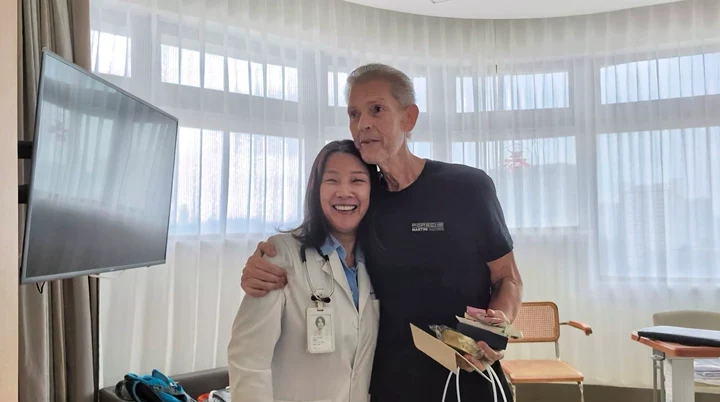
Josh’s journey from New Zealand to Shanghai for gastric cancer CAR-T therapy
After his cancer progressed despite conventional treatment, 59-year-old Josh traveled to Shanghai for a newly approved CAR-T therapy. Jiahui Hospital reported that he completed treatment and returned to New Zealand.
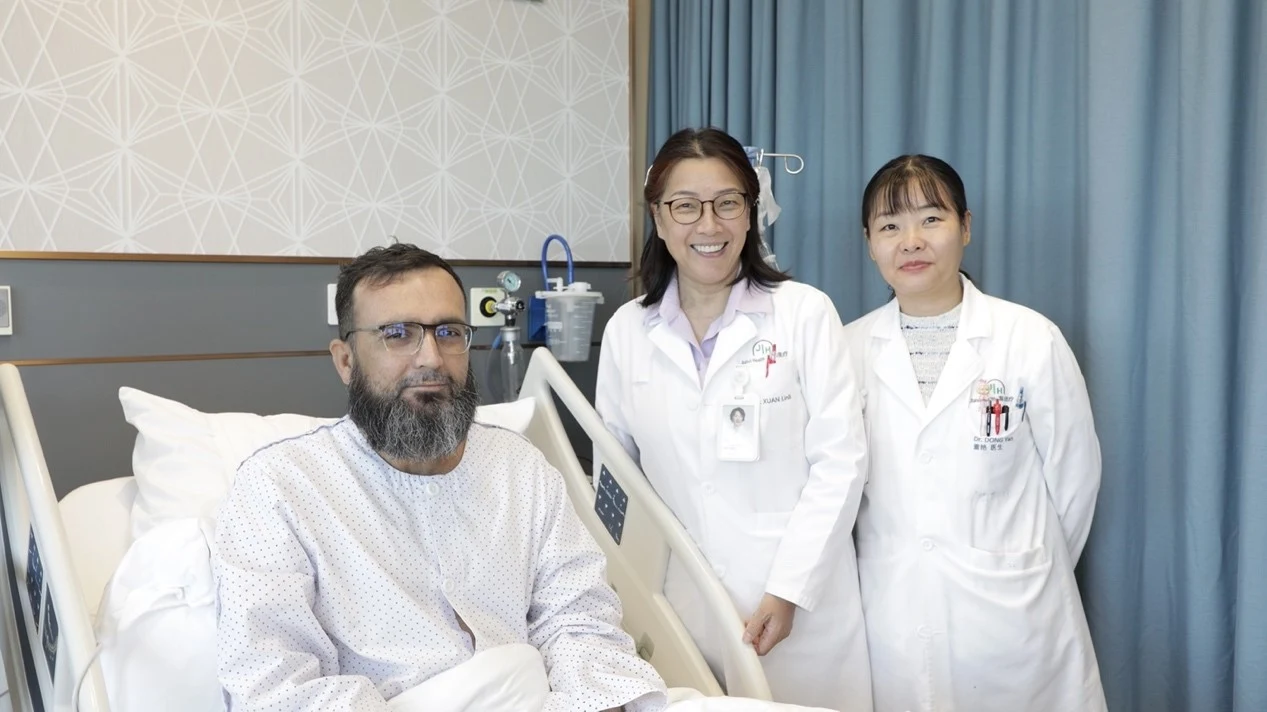
From Pakistan to Shanghai: Muhammad seeks CAR-T therapy after lymphoma relapse
Muhammad, 36, came to Jiahui after his lymphoma returned despite chemotherapy and a transplant. The hospital’s report describes his CAR-T treatment, early symptom improvement and plans for follow-up in Pakistan.
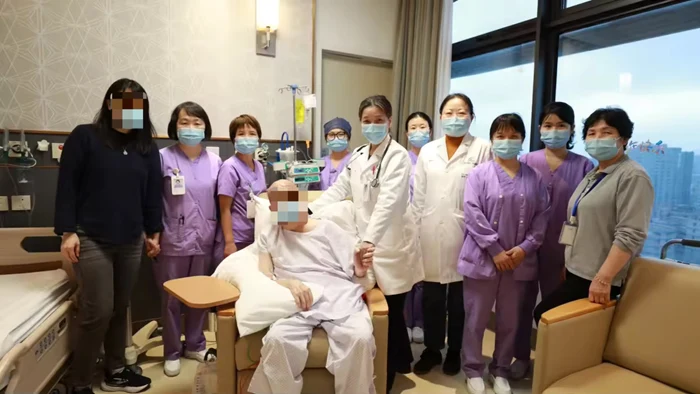
Daniel travels from the US to Shanghai to explore lung cancer treatment
After limited benefit from several treatments, Daniel explored options in China on the advice of his US doctors. His hospital stay also shows the importance of managing treatment risks in a patient with complex medical n
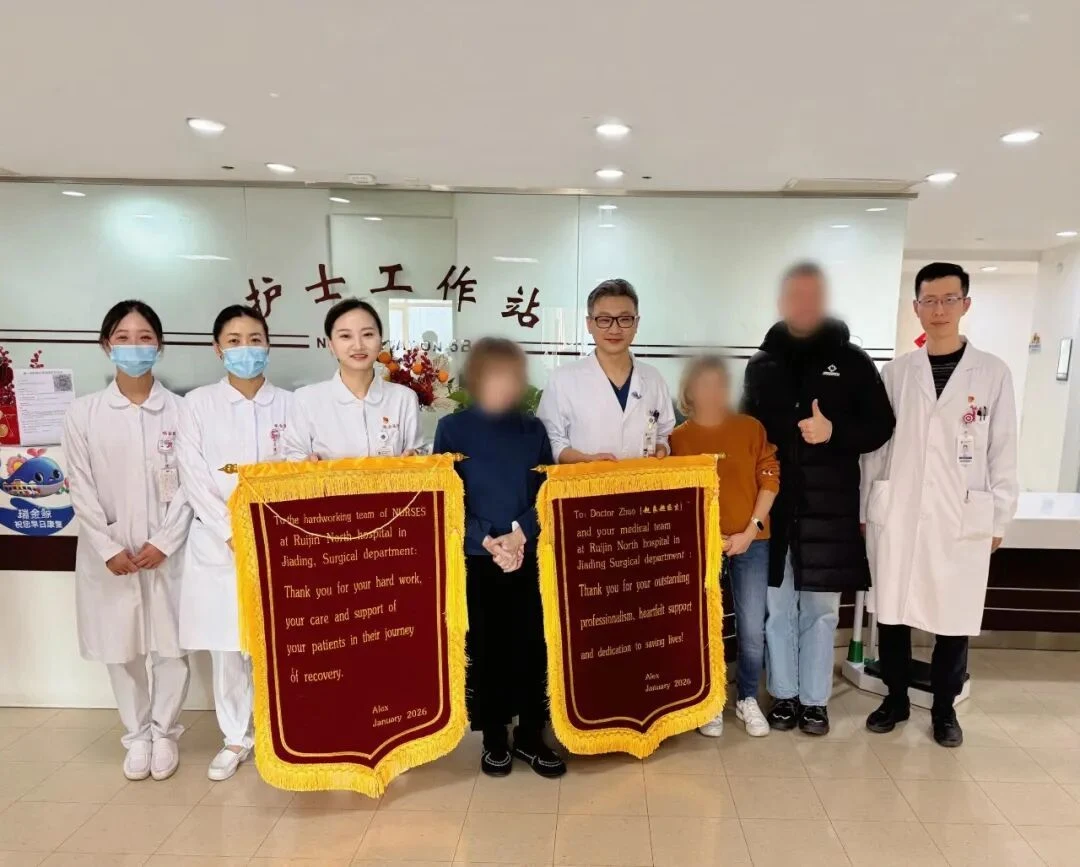
From Ukraine to Shanghai for complex pancreatic and duodenal surgery
Natalia, a pseudonym, was diagnosed with a tumor after abdominal pain and weight loss. Her son in Shanghai contacted Ruijin’s team to help arrange assessment and surgery for his 68-year-old mother.
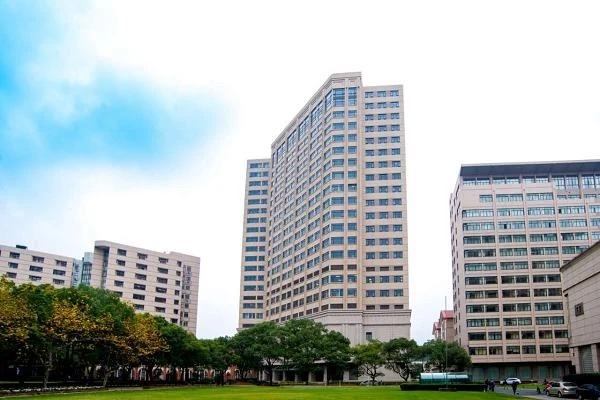
A Canadian family seeks spleen-preserving pancreatic surgery in Shanghai
Kevin, a Canadian doctor, contacted Ruijin’s team online to explore surgery for his 10-year-old daughter’s pancreatic tumor, aiming to remove the tumor while preserving her spleen if possible.
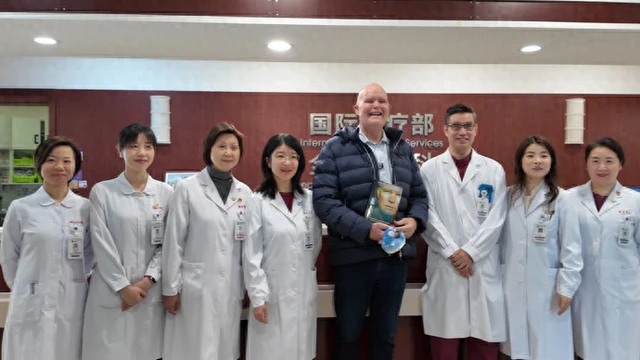
Canoeing world champion Oscar Chalupsky seeks myeloma treatment in Shanghai
After treatment in several countries, 12-time world champion and former South African Olympic team captain Oscar Chalupsky contacted Ruijin Hospital to explore further options for multiple myeloma.
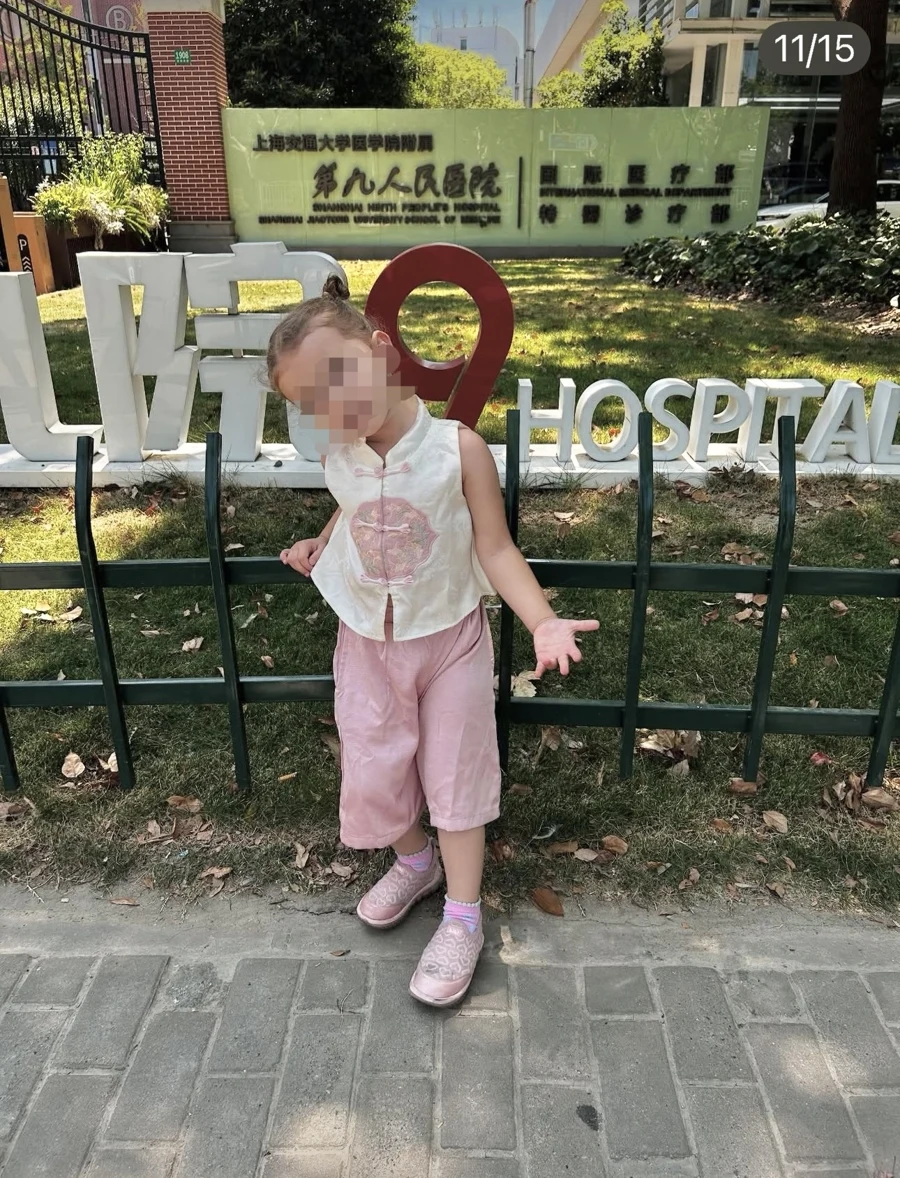
A Brazilian child travels to Shanghai for foot reconstruction
Three-year-old Zara, a pseudonym, needed different shoe sizes because of a congenital foot condition. Her family learned about Shanghai Ninth People’s Hospital through social media and traveled to China for reconstructiv
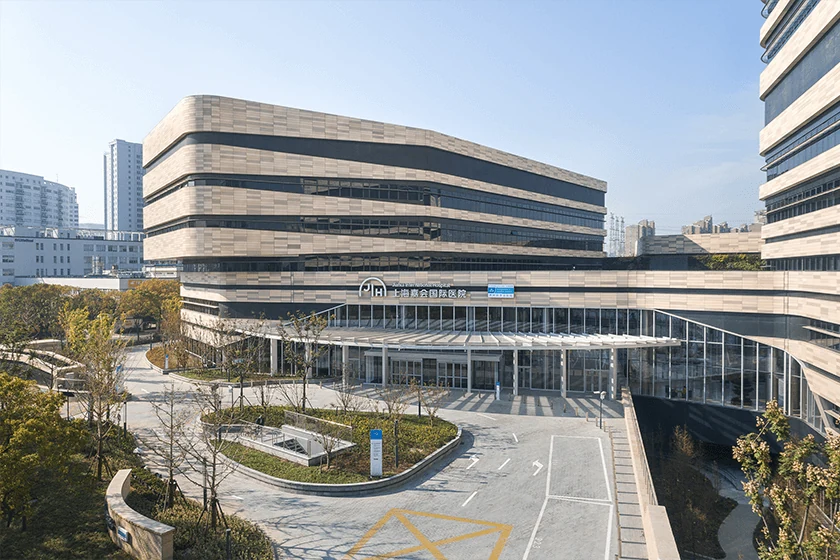
A Russian professor’s CAR-T treatment journey after two transplants
After his myeloma relapsed following several treatments, Vladimir Borzenkov contacted the Shanghai team remotely and traveled for CAR-T therapy. He later returned to Russia for follow-up.
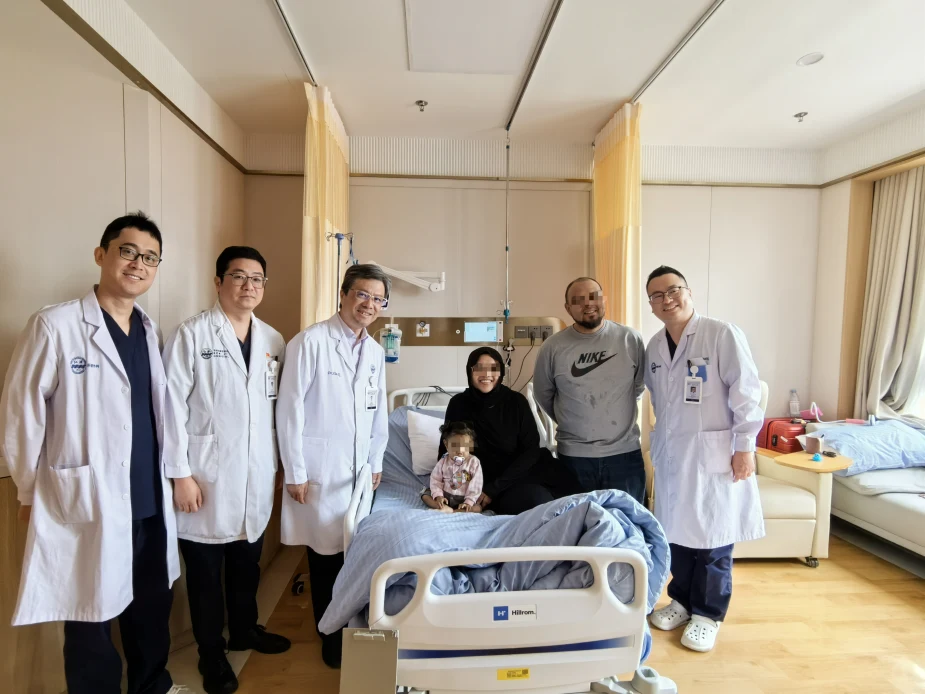
A Malaysian toddler receives a liver transplant from her mother in Shanghai
Kayla, a pseudonym, was one year and eight months old and had recurrent health problems related to biliary atresia. Malaysian doctors contacted Renji Hospital, where she received a transplant using part of her mother’s l
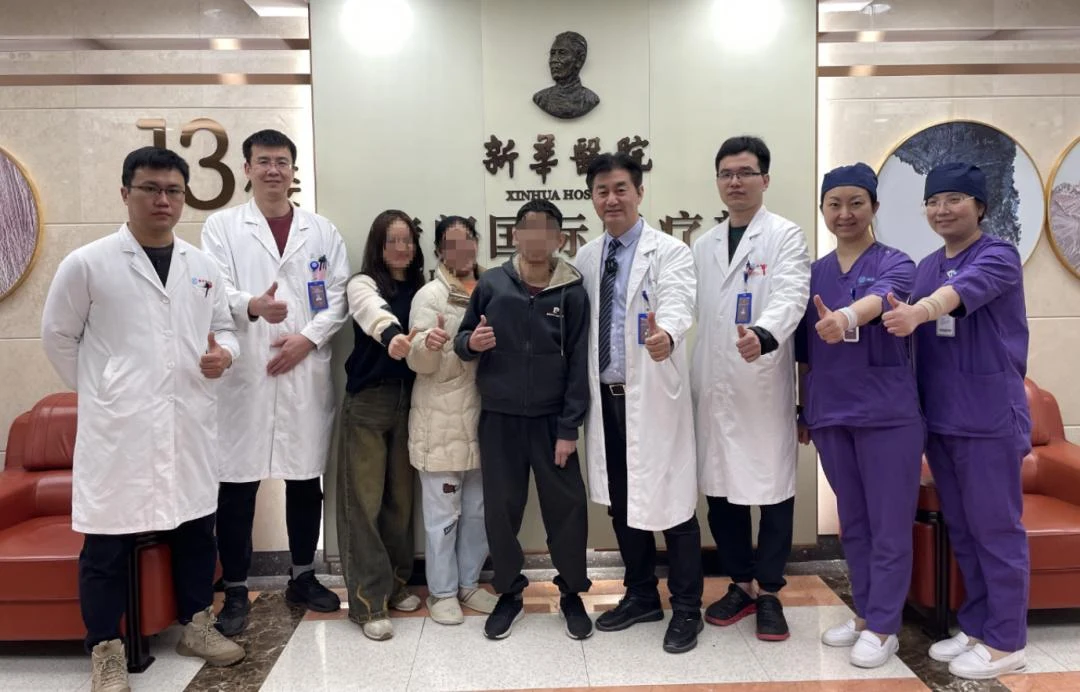
An Indian boy’s journey to Shanghai for severe spinal deformity surgery
A severe spinal deformity affected the boy’s breathing and movement. At Xinhua Hospital, he underwent an extended period of preparation before corrective surgery.
Please start with a brief inquiry. If we need medical records, we will explain why, who will receive them and how to share them.
Zoying provides medical resource information, medical coordination and non-medical support; medical evaluation, diagnosis and treatment are the responsibility of the receiving hospital and licensed physicians.
Hospital ratings and accreditation references