
For patients exploring heart valve surgery, one of the first questions is often, “Can it be done through a small incision?” But the size of the incision is only part of the decision. The central questions concern the valve itself: what needs to be treated, whether it can be repaired, and whether other heart problems need attention at the same time.
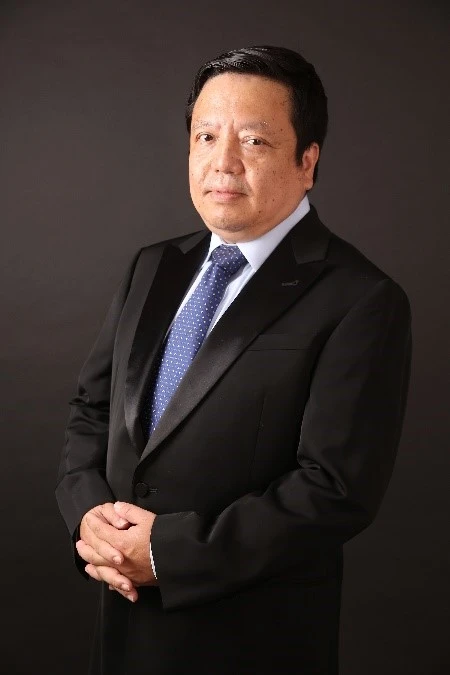
Professor Chunsheng Wang of Zhongshan Hospital, Fudan University, is one of the Shanghai cardiac surgeons Zoying would like to introduce. His documented work includes valve surgery, complex cardiac procedures and heart transplantation. The development of a minimally invasive valve team and its published clinical studies provide a concrete way to understand that experience.[1]
Understanding the Experience Behind a Surgical Team
A 2025 Shanghai Medical College profile identifies Wang as director of cardiac surgery at Zhongshan Hospital, a chief physician, professor and doctoral supervisor, and a recipient of the 2024 Shanghai Craftsman recognition. It describes his team’s routine development of minimally invasive mitral, aortic and tricuspid valve procedures from 2009 onward.[1]
For patients, this history points to sustained team experience. A surgical pathway depends on coordination among surgeons, anesthesiologists, perfusion specialists, imaging teams and postoperative staff.
The same profile describes his work in heart transplantation.[1] Here, our focus is valve surgery. Experience across different operations should not be reduced to a single, generalized success rate.
Treating the Valve Remains the Main Objective
A 2017 retrospective study coauthored by Wang compared mitral valve replacement through a right minithoracotomy with conventional median sternotomy in patients with rheumatic mitral valve disease.[2]
This distinction is useful: the incision describes how the surgeon reaches the heart; repair or replacement describes what is done to the diseased valve. A smaller incision does not make the underlying cardiac operation a simple procedure or remove the need to assess overall risk.
The study contributes evidence for selected patients. Its retrospective design does not establish that a smaller incision is the best approach for everyone.[2]
Combined Valve Procedures and Reoperations
A 2019 International Heart Journal study coauthored by Wang compared early outcomes of combined mitral and aortic valve procedures performed through a right minithoracotomy or full median sternotomy. It was a single-center, propensity-matched study of selected patients.[3]
A separate case report in The Annals of Thoracic Surgery describes a minimally invasive approach to mitral stenosis after an earlier repair, where a very narrow valve annulus complicated reoperation.[4]
Together, these papers illustrate why cardiac surgery requires an individual plan. Previous operations, valve anatomy and the procedures needed at the same sitting can change the approach. A case report documents a solution to a specific problem; it does not establish a standard option for every patient.
Why Zoying Is Introducing Professor Wang
International patients may encounter the term “minimally invasive” before they understand the different procedures it can describe. Through Professor Wang’s documented work, we want to bring the discussion back to the decisions that matter: why surgery is being considered, how the valve will be treated, which approach is appropriate, and what follow-up will involve.
A surgeon’s experience includes judgment as well as technique. The team’s institutional history, comparative studies and case reports offer public evidence of work in this field.[1–4]
For patients considering care in Shanghai, organizing existing cardiac investigations and treatment records is a useful first step toward a hospital assessment.
Frequently Asked Questions
Can I directly book minimally invasive valve surgery?
A hospital assessment comes first. The team reviews the valve disease, heart function, previous procedures and other conditions before deciding whether surgery is needed and which approach is suitable.
Which records should I prepare?
Gather recent echocardiography reports and available images, previous cardiac operation records, other existing investigations and a medication list. The hospital will advise whether further testing is needed.
How can Zoying assist?
We can help communicate your request, clarify hospital document requirements and appointment procedures, and coordinate agreed translation and travel support. The hospital confirms the treating specialist, procedure, estimated medical costs and admission arrangements.
Would You Like to Discuss an Assessment in Shanghai?
Contact Zoying with a brief summary of the patient’s situation and the questions you would like to discuss. We can help clarify the hospital’s assessment and appointment process.
Contact Zoying · View the doctor profile
Prepared by the Zoying Health Team from public institutional records and published studies, reviewed on October 23, 2026. Research and historical professional records do not confirm current appointment availability or predict individual outcomes. The hospital confirms the treating team, assessment and treatment arrangements.
References
- Shanghai Medical College, Fudan University: institutional profile recognizing Chunsheng Wang (2025)
- Minimally invasive mitral valve replacement …: A retrospective study. Medicine, 2017. DOI: 10.1097/MD.0000000000007193
- Combined Mitral and Aortic Valve Procedure via Right Mini-Thoracotomy versus Full Median Sternotomy. International Heart Journal, 2019. DOI: 10.1536/ihj.18-186
- Minimally Invasive Biochimney Technique for Postrepair Mitral Stenosis. The Annals of Thoracic Surgery, 2022. DOI: 10.1016/j.athoracsur.2021.10.020