
Zoying Health Content Team | Updated October 25, 2026
We are highlighting Professor Yao Zhao because an MRI alone often cannot explain a pituitary patient's difficulties. Removal may look satisfactory while hormone results and symptoms remain troubling. Changes years later may raise questions about residual disease, recurrence or another cause. Vision, energy, fertility and long-term medication may all be concerns.
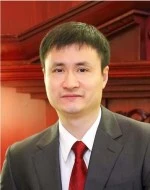
Zhao's publicly described specialty includes surgery and comprehensive treatment for pituitary and sellar tumors, with related teams working across neurosurgery and endocrinology. Shanghai Medical Association profile
The question is not only how much tumor remains, but what is causing the current problems and which part needs attention next.
The diagnosis needs to be more specific than “pituitary tumor”
Different lesions may involve different hormones or affect surrounding structures through pressure. Clarify the diagnosis before describing it simply as a small brain tumor.
Cushing's disease, for example, involves pituitary ACTH production, while Cushing's syndrome can have other causes. Treatment depends on identifying the source and circumstances. NIDDK Cushing's information
A visible lesion does not prove that it causes every symptom. An unclear scan does not exclude every hormonal problem. Assessment brings hormone testing, imaging, symptoms and medicines together.
Why multidisciplinary care matters
Neurosurgery evaluates whether and how to treat the lesion. Endocrinology addresses hormone sources, preparation, postoperative changes and replacement treatment.
China's National Center for Neurological Disorders has described Huashan's integrated pituitary care, including shared clinical and ward arrangements. Institutional report
For patients, this raises concrete questions: who assesses endocrine preparation, who explains postoperative results and who manages replacement and monitoring? We highlight Zhao because complex cases need these specialties connected around one history.
Is another operation worthwhile?
Residual tissue alone cannot answer this. International Cushing's disease consensus guidance considers clinical and biochemical evidence of recurrence and individual circumstances when discussing repeat surgery, which has its own risks and variable results. Consensus update
Ask whether the current problem requires further treatment of the lesion, where medication or other approaches fit, how the first operation changed the conditions and what another intervention aims to achieve.
If surgery is proposed, clarify remaining uncertainty and which problems may still need medication or other care afterward. “Removing a little more” is not a complete plan.
What could an assessment in Shanghai add?
Your country may already have an experienced pituitary center. A further opinion should address unresolved questions. If observation was recommended locally but intervention is proposed elsewhere, ask for the evidence. If repeat surgery is discussed, ask how hormone findings, residual location and earlier risks are interpreted.
Differences may concern diagnosis, surgical experience, multidisciplinary organization or medicine availability. Verify them separately rather than assuming a new Chinese option exists. A useful second opinion may also support the original plan and reduce uncertainty without recommending more aggressive treatment.
Preserve the context around test results
Hormone values need units, reference ranges, sampling times and medication context. Translating an isolated number can lose essential information.
Provide complete reports over time, current medicines and doses, replacement history, operation notes, pathology and original MRI as requested. Keep full protocols and results of specialized endocrine testing.
Do not stop medication to repeat testing on your own. Clinicians decide whether and how preparations should change.
Plan endocrine follow-up at home
Surgery in China may be followed by continuing hormone monitoring and medication elsewhere. Understand discharge instructions, reviews and what to do if problems develop, especially with replacement therapy.
Confirm medicine and test availability at home and who accepts ongoing management. The team determines readiness to travel. These matters should enter the discussion before surgery, not after a simple offer to operate.
How Zoying can help
With authorization and an agreed scope, we can organize diagnosis, tests and previous treatment, coordinate translation and communicate the assessment request. Specify whether the aim is identifying a cause, assessing recurrence or comparing another operation with alternatives.
The hospital confirms appointments, joint assessment and treatment. We want imaging, hormones and the patient's actual daily difficulties to lead to an understandable next step.
Contact Zoying about further pituitary disease assessment.
Based on public sources to explain care options. Medical assessment, appointments, costs and current availability require case-specific institutional confirmation.