
Zoying Health Content Team | Updated October 25, 2026
We are highlighting Professor Ruhong Zhang because decisions about microtia involve more than creating an external ear. Families weigh appearance, rib cartilage harvest, scars and staged surgery. They may be uncertain about timing or assume that reconstruction also restores hearing.
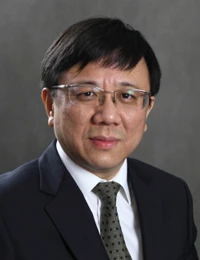
Zhang and the Shanghai Ninth People's Hospital team have longstanding experience in auricular reconstruction. Their published clinical work discusses autologous rib cartilage frameworks, individualized carving, shape and stability. Original clinical publication
We want that experience translated into understandable choices: which pathway fits the child, what stages it involves and what appearance can realistically be expected.
Separate two goals, then coordinate them
Reconstruction of the external ear and assessment or treatment of hearing require distinct discussions. Better appearance does not automatically mean better hearing.
If ear canal or hearing problems coexist, ask whether ENT and audiology specialists should participate and how the treatments should be sequenced. Children's Hospital of Philadelphia describes multidisciplinary assessment for microtia. CHOP microtia questions
International families should clarify the hearing plan before booking reconstruction. Tell the team about hearing devices, canal procedures and previous operations.
Why detailed reconstruction experience matters
Photographs invite a simple question: does the ear look natural? Position, size, angle from the head and the appearance from different directions also matter.
The team's clinical publication discusses cartilage shaping, support and postoperative management, including scar contraction that can affect the eventual shape. Reconstruction requires attention to tissue conditions and later changes; carving alone cannot control every outcome. Clinical publication
Ask about your child's skin and cartilage, which features can be created, which may be difficult and when refinements might be considered. This is more informative than one ideal postoperative photograph.
Comparing China with overseas options
Ear reconstruction is performed in many countries. Pathways may use the patient's tissue, artificial frameworks or prosthetic ears, with different indications and stages. CHOP reconstruction information
If a local plan exists, ask whether the Shanghai team suggests a different route and why. Rib cartilage involves a donor site and staging. Artificial materials require discussion of coverage and risks such as exposure or infection. A prosthetic ear has its own attachment, maintenance and everyday-use requirements.
No method is universally “more advanced.” The child's anatomy, preferences, acceptable surgical burden and long-term management should guide comparison. A specialist opinion adds value when it explains those trade-offs clearly.
Timing should not be set by a school holiday alone
The chosen method, physical development and ability to cooperate affect timing. One age cannot serve as a universal threshold. CHOP microtia information
Holidays, leave and flights matter, but should not determine medical suitability. Listen to the child too. Some welcome a change; others worry more about hospital, discomfort or questions from peers. Explain treatment and recovery in ways the child can understand.
Staged treatment may require several trips. Intervals should not be shortened simply to fit visas or holidays; the team must confirm stages and stays.
What if a previous reconstruction was disappointing?
Revision is a different assessment from first reconstruction. Previous materials, skin and scars, infection and other interventions all matter. Preserve operation records rather than relying only on present photographs.
Describe the concern specifically: position, size, projection, a particular feature or practical needs such as wearing glasses. Not every visible difference justifies another operation; anticipated improvement and added risk belong together.
Adult work and recovery arrangements also differ from children's. A pediatric case itinerary cannot establish an adult plan.
How Zoying can help families prepare
Start with age, one- or two-sided involvement, hearing, previous treatment and the questions the family wants answered. With authorization and an agreed scope, we can organize information, coordinate translation and ask the hospital about assessment, required photographs or tests and specialist coordination.
Clarify travel and costs by stage, distinguishing preliminary impressions from matters requiring examination. Whether Zhang personally or a related team can accept the case, and operation dates, require hospital confirmation.
Our aim is a complete pathway that considers appearance, hearing, tissue harvest, stages and the child's development before the family decides.
Contact Zoying about ear reconstruction assessment.
Based on public sources to explain care options. Medical assessment, appointments, costs and current availability require case-specific institutional confirmation.