
Zoying Health Content Team | Updated October 25, 2026
We are highlighting Professor Guomin Wang because families may begin a different challenge after cleft surgery. The wound and appearance improve, but speech remains unclear, nasal or difficult for certain sounds. Parents wonder whether more therapy or another operation is needed and worry about language and learning.
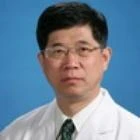
Wang's longstanding work includes cleft care and speech function. Shanghai Jiao Tong University has described the connection between surgery and later speech work in his practice. University report
The next step should establish why speech remains difficult, not simply find another operation.
Similar-sounding problems can have different causes
Nasality or unclear speech does not by itself show that the repair is incomplete. Assessment considers structure, learned articulation, hearing and language development. ASHA includes these areas, together with resonance and compensatory articulation, in cleft assessment. ASHA professional information
Some children primarily need targeted therapy; others need further structural assessment or several specialists. Increasing exercises or booking surgery before understanding the cause may miss the problem.
Why we highlight Wang's experience
His background includes postoperative function and speech as well as surgery. An institution currently publishing his profile lists comprehensive cleft care and childhood speech disorders. Institutional profile
Families need the repaired structure and present speech considered together. Relevant professionals determine whether closure needs investigation, which sounds reflect learned patterns and whether hearing or other factors contribute.
Parents need not know every technical term. They should understand why therapy is recommended, why surgery is considered and what each would change.
The child's language is a clinical assessment requirement
An English-, Russian- or Arabic-speaking child's whole speech ability cannot be assessed from Mandarin tasks alone. Languages have different sound systems.
ASHA recommends assessment in the languages used by the child and family, with interpreters when needed and attention to linguistic background. ASHA assessment information
Ordinary interpreting does not establish that a complete specialist speech assessment is available. Before travel, tell the receiving team the child's main language and confirm the assessment method. Ask whether a local speech-language therapist should contribute records or participate in communication.
That prerequisite determines what an overseas visit can accomplish.
What should a Shanghai opinion add?
Experienced cleft teams also exist abroad. Compare explanations of the child's present problem, integration of structural and speech findings and the proposed sequence—not just photographs or reputation.
If surgery was recommended locally, does the Shanghai team agree and why? If therapy is proposed, what should it address and when should progress be reviewed? How do current recommendations fit later dental, jaw and growth-related care?
Apply those questions to the same child and records. Extensive experience in China does not mean every family needs to travel.
Continuing therapy must fit the child's life at home
A visit may provide assessment or surgery, but the child's home language environment remains. Ongoing work needs to connect with school and family communication.
Keep local speech assessments and therapy records. With both sides' agreement, these can help the receiving team understand what has been tried and what remains difficult.
For another operation, establish preoperative assessment, reviews and later therapy. Discharge does not mean every speech problem is resolved.
Make goals specific: being understood by unfamiliar listeners, particular sounds or nasality. These belong in the discussion of benefit.
Older patients can bring their own priorities
Further assessment is not restricted to young children. Older children and adults may be concerned about speech, scars, nasal appearance or other functions.
Separate the requests, ask whether treatment is worthwhile and establish sequence and realistic change. Appearance should not obscure unassessed function, and one operation should not be assumed to solve everything. Adult work, social life and recovery also need consideration.
What Zoying can help prepare
Start with age, main language, previous operations and current speech or functional difficulties. With authorization and an agreed scope, we can organize records, coordinate translation and ask institutions about specialist assessment conditions.
Photos, recordings or video should be provided through an agreed channel according to clinical requirements. Clarify what the hospital can assess, whether local professionals need involvement and whether Wang or a related team can accept the case.
Our interest is how children communicate after repair: understanding the cause and building a pathway that can continue.
Contact Zoying about cleft and postoperative function assessment.
Based on public sources to explain care options. Medical assessment, appointments, costs and current availability require case-specific institutional confirmation.