

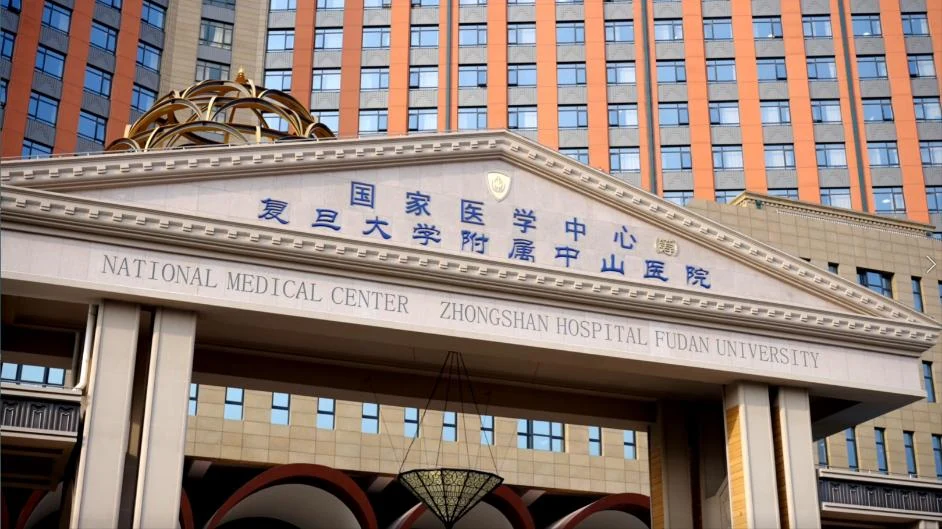
Zoying highlights Zhongshan Hospital, Fudan University, for three practical reasons: liver-tumor patients may want a further assessment of their treatment pathway; patients with digestive conditions may want to explore whether an endoscopic approach fits their diagnosis; and cardiovascular patients may need an opinion that explains the choices raised by their investigations.
These are different needs, involving different teams and records. Before traveling to Shanghai, define the decision you want the visit to help resolve. That is how a hospital's specialty resources become relevant to an individual patient.
What supports these specialty strengths?
Fudan University's public information documents liver-surgery activity, the endoscopy center's clinical experience, and national specialty-development recognition for cardiovascular services. These are more informative than a broad claim that a hospital is “the best.”
| Specialty | Dated public information | How to interpret it |
|---|---|---|
| Liver surgery | A 2024 Fudan report describes more than 7,000 liver-resection patients annually | A liver-resection activity figure, not a success rate or a verified 2026 total |
| Digestive endoscopy | A 2022 report describes about 140,000 annual diagnostic/treatment encounters, over 10,000 minimally invasive endoscopic treatments and about 4,800 complex inpatient procedures | Overall clinical activity and treatment procedures are different measures |
| Cardiovascular services | University records list cardiology and cardiac/major-vessel surgery in national key clinical specialty development projects | Recognition of specialty development, not a prediction of an individual's outcome |
Liver source | Endoscopy source | Specialty-development source
Liver surgery: turn “Can I have surgery?” into a useful discussion
For a liver-tumor patient, another hospital description is less useful than an assessment of their own imaging and treatment history. Zhongshan's documented activity is a reason to investigate its liver team. The purpose of an inquiry is to learn how that experience applies to the decision you face.
Organize the questions in four stages: Is the current diagnosis sufficiently clear? What is the treatment objective? Why does the team recommend this pathway? If the hoped-for treatment is not currently appropriate, what is the next step and when should the decision be reviewed?
If you have received several treatments, include the dates of imaging before and after them, the regimens used and your doctors' assessment of response. A single recent report may not explain the sequence. Zoying can help turn the available information into a coherent timeline and coordinate agreed translation and document transfer.
Also ask what the proposed visit involves: an outpatient consultation, additional investigations or possible admission; what stages might follow; and which records will be needed by your doctor at home. These details make it possible to compare a Shanghai assessment with continuing locally.
Digestive endoscopy: ask about suitability before choosing a technique
Zhongshan's endoscopy center combines substantial clinical activity with documented technical development. A 2025 Fudan report describes the national science and technology award received for Professor Pinghong Zhou's esophageal endoscopic-treatment system, and discusses techniques including peroral endoscopic myotomy, or POEM. Fudan source
The useful patient question is whether the diagnosis or lesion falls within the team's assessment scope. Provide the original endoscopy report, available images or video, pathology information and existing recommendations. This allows the inquiry to focus on a specific problem rather than a preference for a technique.
Someone who has been advised to undergo surgery for a digestive lesion can ask whether an endoscopic specialist review would be worthwhile, what records are required and what each proposed approach is intended to achieve. Someone with achalasia can organize previous investigations and treatments before asking about the next step. These are discussion prompts, not instructions to select a procedure independently.
For Zoying, explaining Chinese expertise means making the possible choice understandable. First establish whether a specialist assessment is relevant; then discuss arrangements. An endoscopic pathway also needs a plan for observation, explanation of findings and follow-up. It should not be presented as a one-day visit that necessarily completes all care.
Cardiovascular care: identify the question and the relevant team
Fudan's records include cardiology and cardiac/major-vessel surgery in national key clinical specialty development projects. For a patient, the practical implication is to identify the appropriate service rather than request an unspecified “heart specialist.” University source
Explain whether you want a diagnostic review, another opinion about an intervention or operation, or clarification of a longer-term management plan. Organize existing angiography, echocardiography and ECG reports where relevant, together with available original files, previous procedures, implanted-device information and medication history.
If recommendations differ between teams, ask which findings, treatment objectives and personal circumstances account for the difference. The useful result is an explanation you can discuss with your local doctor, not simply confirmation that another hospital performs the procedure.
This guide concerns planned assessment. Sudden chest pain, breathing difficulty or a rapid deterioration requires local emergency care rather than waiting for an international appointment.
Compare a defined care plan, not two hospital names
Zhongshan provides a concrete set of specialty options in Shanghai. Relevant differences may include access to a particular subspecialist opinion, another approach considered appropriate by the receiving team, and the practical organization of care.
Costs and waiting times matter, but compare the same scope. A consultation fee is not comparable with a complete admission estimate. A booked investigation does not mean that all subsequent treatment has been scheduled. Once the hospital has clarified the initial requirements, Zoying can help inquire about cost components, possible stages and remaining arrangements.
Also clarify the applicable appointment channel, specialist, campus, language support and charging arrangements. Different service channels should not be presented as different guarantees of clinical results. Explaining these practical distinctions makes the choice more useful.
What can Zoying organize?
We can help define the objective of the visit, prepare a condition summary and treatment timeline, organize existing records, coordinate translation within the agreed scope, communicate assessment requirements and follow up on document requests and appointment details.
For liver-tumor inquiries, the initial task may be to establish whether the available file is sufficient for the next treatment discussion. For endoscopy, it may be to identify whether the case can enter specialist assessment and what original material is needed. For cardiovascular care, it may be to identify the decision requiring review and the relevant service. Those requests deserve different work plans.
Before coordination begins, you should know what we will organize, where the inquiry will be directed, how appointment progress will be communicated and which charges come from the hospital. Medical opinions, acceptance and treatment decisions remain with the hospital; Zoying provides the agreed non-clinical coordination.
A useful first message
“The current diagnosis is … Treatment so far has included … Our doctor has recommended … We would like to ask whether the relevant Zhongshan team can assess the case, particularly this question: … These reports and images are available, and we could travel around …”
That short message moves the discussion from finding a hospital name to organizing a specific next step.
Contact Zoying about a Zhongshan specialty assessment
Prepared by the Zoying Health Content Team. Sources checked October 26, 2026. This guide highlights selected liver, endoscopy and cardiovascular services rather than every specialty at the hospital. Activity figures retain their original reporting dates and scope.