
Zoying Health Content Team | Updated October 25, 2026
We are highlighting Professor Feng Shen because recurrence brings patients back to difficult decisions they have already faced. New lesions may follow resection, interventional treatment or medication. Others see shrinkage and wonder whether surgery is now possible. Families fear every option has been used.
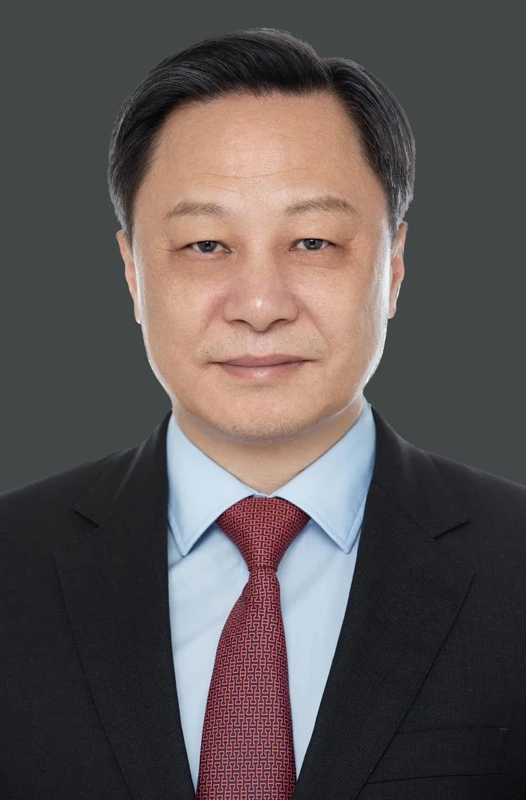
Shen's work includes liver cancer surgery and comprehensive treatment. Chinese Society of Clinical Oncology meeting materials describe experience including conversion to resection. CSCO professional material
A new lesion should lead to an explanation of what guides the next choice, with earlier treatment and the present condition assessed together.
Recurrence is not one uniform stage
Inside or outside the liver, number, location, time since treatment and remaining liver condition can all change the options. NCI likewise relates recurrent treatment to liver function and lesion characteristics. NCI liver cancer information
Previous resection does not automatically exclude another local treatment. A small new lesion does not automatically make repeat surgery preferable either. Assessment needs the change in disease and the preceding course.
Why we focus on recurrence and surgical judgment
Patients may hear about resection, ablation, intervention, radiotherapy and systemic treatment without understanding their sequence.
Shen's experience provides a reason to explore a specialist discussion based on current disease and liver condition. The goal is not a larger operation, but an appropriate measure at the appropriate stage.
If surgery is proposed, ask about its goal, the liver function that must remain and why alternatives were not selected. If another treatment comes first, ask what it should change and when reassessment occurs.
Does shrinkage establish suitability for surgery?
Size alone cannot answer. Overall control, other lesions, liver function, general health and the risks and value of resection still matter.
Provide original imaging before and after treatment, not only the latest report saying “smaller.” Include medicines, cycles, adverse effects and interruptions.
A further assessment should respond to those conditions. A successful conversion to surgery is not an outcome that can be purchased in advance.
Earlier treatment determines what the next review needs
Newly diagnosed patients compare initial pathways. Recurrent disease requires understanding previous operations, remaining liver and cumulative effects.
Provide radiotherapy fields and dates or details of repeated interventions. Include hepatitis, cirrhosis and their treatment. Tumor marker trends need clinical interpretation with imaging.
The record should show a complete timeline rather than only today's diagnosis. A new team needs that history to make a relevant recommendation.
Where might a Chinese plan differ?
Liver cancer treatments are practiced in many countries. Compare whether a team proposes a different workable sequence and why.
Disagreement may concern liver function, disease extent, treatment goals, drug access or local techniques. Identify it precisely.
Repeated travel, medication availability and follow-up at home matter. One operation quote cannot establish the cost of continuing cancer care.
A new opinion may support the original plan. Understanding why to continue can itself be valuable after several treatments.
How Zoying can help prepare
With authorization and an agreed scope, we can organize treatment, pathology, dated imaging and current medication, coordinate translation and communicate the assessment request.
Clarify whether the hospital accepts review, what is missing and whether the question is another local treatment, surgery after response or a different option. Shen's or a related team's actual appointments require confirmation.
Do not interrupt treatment while waiting. Discuss continuity with your current doctor first.
We highlight this experience to provide a new judgment, rather than vague hope: which pathways remain worth discussing and what each intends to achieve.
Contact Zoying about recurrent liver cancer and further treatment assessment.
Based on public sources to explain care options. Medical assessment, appointments, costs and current availability require case-specific institutional confirmation.