
Zoying Health Content Team | Updated October 25, 2026
We are highlighting Professor Zhaoshen Li because patients may undergo repeated admissions, tests and procedures without knowing whether to continue endoscopy, consider surgery or change long-term management.
Duct stones, narrowing, fear of an operation, weight change and recurring pain all deserve an explanation of treatment goals and sequence.
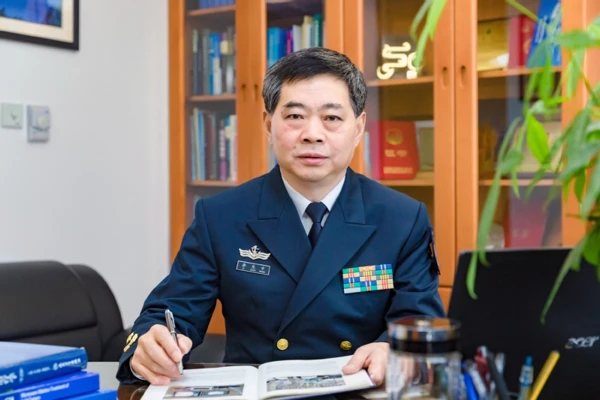
The Chinese Academy of Engineering identifies digestive endoscopy and pancreatic disease among Li's areas. Public professional material also describes work across chronic pancreatitis care. Academy profile · Shanghai academician center material
Pain requires more than a discussion of stones
Care may address pain, duct obstruction, nutrition, digestion and glucose metabolism. NIDDK includes these in treatment information. NIDDK pancreatitis treatment
A stone on imaging does not establish that removal will resolve every concern. Clinicians need to connect symptoms with structural findings and identify other management needs.
Describe pain frequency, effects on eating, weight changes and earlier treatment response so the assessment addresses the actual burden.
Why experience connecting treatment routes matters
Endoscopy and surgery are not a simple advanced-versus-outdated comparison. Some patients suit endoscopic treatment or lithotripsy; others need timely surgical discussion.
ASGE guidance suggests considering surgical evaluation before endoscopy in selected patients with painful disease and main duct obstruction, with suitability and preferences considered. ASGE chronic pancreatitis guideline
Li's background provides a reason to explore these options together rather than continually seek another less invasive procedure.
After repeated endoscopy, ask what has changed
Review each procedure's purpose, completion and symptom response. If another is soon needed, ask why and what continued treatment is expected to achieve.
Clarify whether a stent requires ongoing review or exchange. Placement does not mean no further management.
Assessment should include earlier procedures and imaging, not only tests during the latest pain episode. Cysts, other complications and diagnostic uncertainty belong in the discussion too.
Gastric investigation and pancreatic treatment solve different problems
Magnetically controlled capsule technology is a Chinese medical development worth understanding, but a stomach examination cannot answer a pancreatic treatment question.
Patients seeking gastric screening need a separate assessment of the appropriate test. It should not be presented as a substitute for pancreatic diagnosis or care.
Comparing the whole value of a Shanghai assessment
Related endoscopy and surgery are available abroad. Compare whether the team explains the cause, previous response and next step clearly, and whether it proposes a different workable route.
Repeated procedures may mean several journeys. Estimate time and cost across the stage, and confirm local access to imaging, stent management and medicines.
Nutrition, diabetes and pancreatic enzyme management require professional planning where relevant. One procedure is not the entire treatment.
What Zoying can help prepare
With authorization and an agreed scope, we can organize disease, endoscopy, lithotripsy and surgical history, coordinate translation and communicate pancreatic assessment requirements.
The hospital confirms Li's or a related team's availability, procedures and follow-up. Acute severe abdominal pain, fever or marked deterioration needs timely local care rather than waiting for an international inquiry.
We highlight this experience so patients can understand when to continue, when to reconsider and how treatment may reduce recurring disruption to life.
Contact Zoying about further chronic pancreatic disease assessment.
Based on public sources to explain care options. Medical assessment, appointments, costs and current availability require case-specific institutional confirmation.